Authentic Italian Pizza Dough Recipe | The Secret to Perfect Crust Every Time
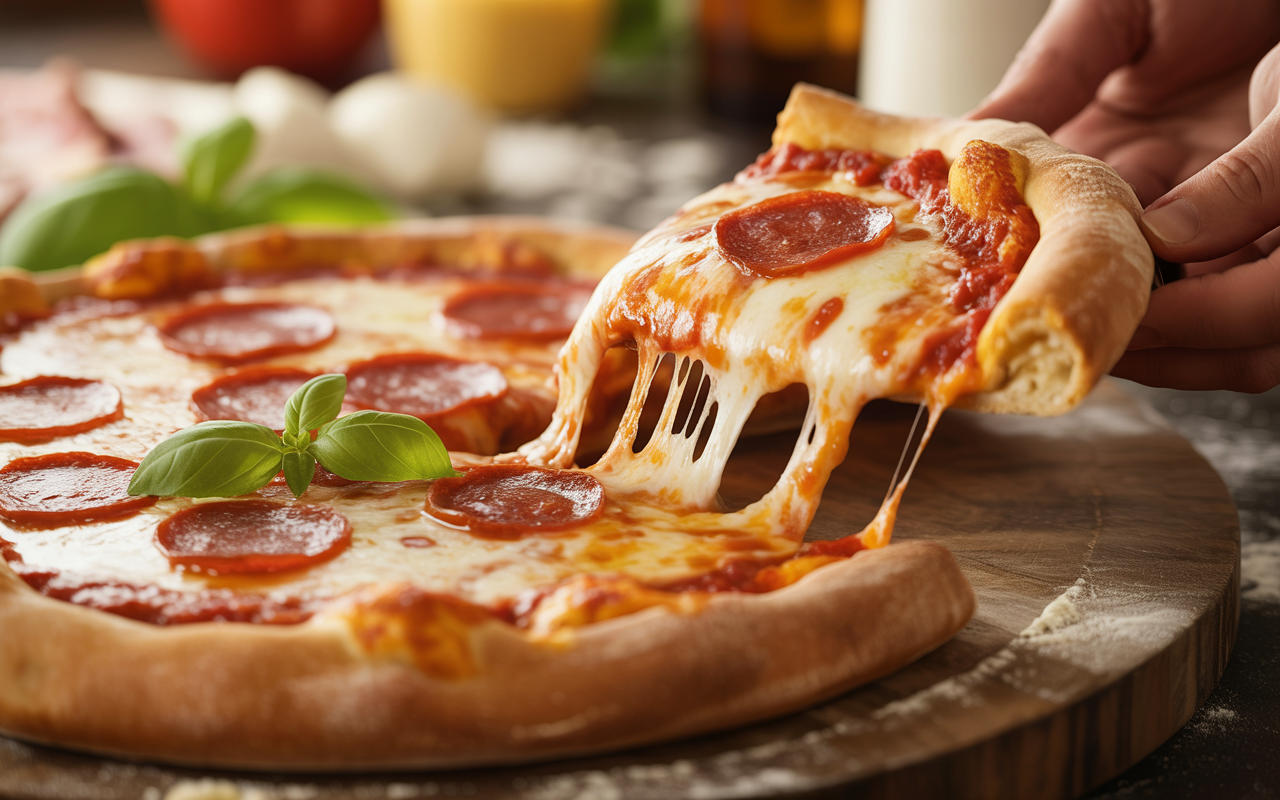
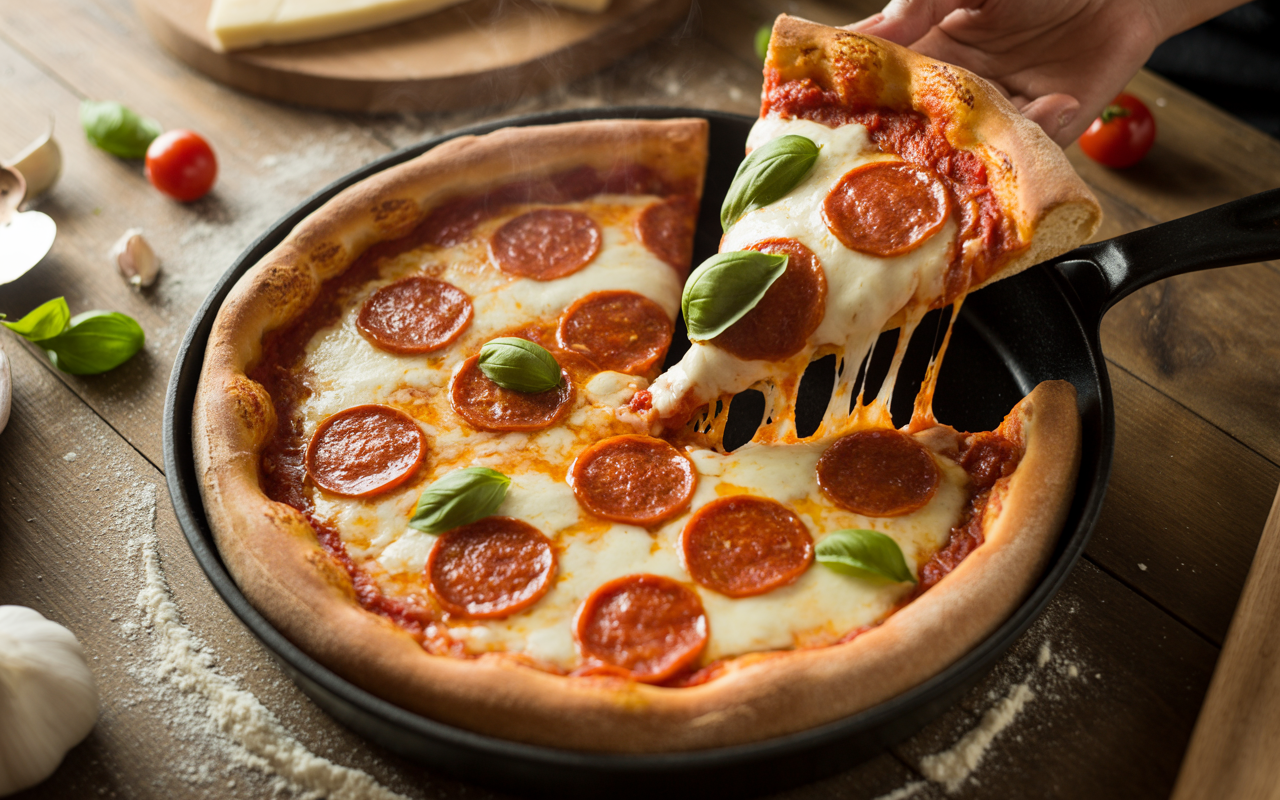
If you’ve ever sat in a cozy trattoria in Naples, with the scent of blistered crust and melted mozzarella filling the air, you know that Italian pizza is more than food — it’s art. That golden, slightly charred crust with a chewy inside and crisp edges can only come from a dough made the Italian way.
After years of trial, error, and plenty of delicious experiments, I’ve perfected my own authentic Italian pizza dough recipe — simple, traditional, and bursting with flavor. Whether you’re making a classic Margherita pizza, a rustic Marinara, or your own creative topping masterpiece, this dough is the foundation that makes it all shine.
Let’s roll up our sleeves and make real Italian pizza dough — the kind that brings Italy right into your kitchen.
Why Italian Pizza Dough Is Different
Italian pizza dough isn’t complicated, but it’s deliberate. What makes it special isn’t fancy ingredients; it’s the technique and patience.
Here’s what sets Italian dough apart:
- Minimal ingredients, maximum flavor: Italian pizza dough uses just flour, water, salt, and yeast. That’s it.
- Long fermentation: Traditional dough ferments slowly, developing that slightly tangy, deep flavor.
- High hydration: A wetter dough gives a light, airy crumb with those signature leopard spots on the crust.
- Soft yet strong texture: It’s elastic, not tough — perfect for stretching by hand.
The goal is balance: crisp on the outside, tender inside, and packed with character.
Ingredients for Authentic Italian Pizza Dough
Here’s everything you need to make a classic Neapolitan-style pizza dough at home. This recipe makes two 12-inch pizzas.
| Ingredient | Measurement | Notes |
|---|---|---|
| Italian Tipo “00” flour | 3 ½ cups (450g) | Finer than all-purpose; creates a soft, elastic dough |
| Warm water | 1 ¼ cups (300ml) | Around 100°F (lukewarm) |
| Fresh yeast (or dry yeast) | 2 tsp (7g dry yeast or 20g fresh) | Active yeast gives a light rise |
| Fine sea salt | 1 ½ tsp | Italian secret to balancing flavor |
| Olive oil | 1 tbsp (optional) | Adds aroma and golden color |
Pro Tip: If you can’t find Tipo “00” flour, use a mix of all-purpose and bread flour for a similar texture.
Step-by-Step Instructions: How to Make Italian Pizza Dough
Step 1: Activate the Yeast
In a small bowl, mix warm water and yeast. Let it sit for 5–10 minutes until it foams lightly on top — that’s how you know your yeast is alive and ready to go.
Step 2: Combine the Ingredients
In a large mixing bowl, add the flour and salt. Pour the yeast mixture into the center and begin mixing gently with your hand or a wooden spoon. The dough will look shaggy at first — that’s perfect.
If you’re using olive oil, drizzle it in now. Continue mixing until everything comes together into a sticky ball.
Step 3: Knead the Dough
Transfer the dough to a clean, lightly floured surface. Begin kneading — stretch the dough away from you with the heel of your hand, then fold it back. Turn it 90 degrees and repeat.
Knead for 8–10 minutes, or until smooth and elastic. You’ll feel the texture change — it’ll go from rough to silky.
Chef’s Tip: Don’t add too much flour during kneading. A slightly tacky dough means better gluten development and more air pockets in the crust.
Step 4: First Rise (Fermentation)
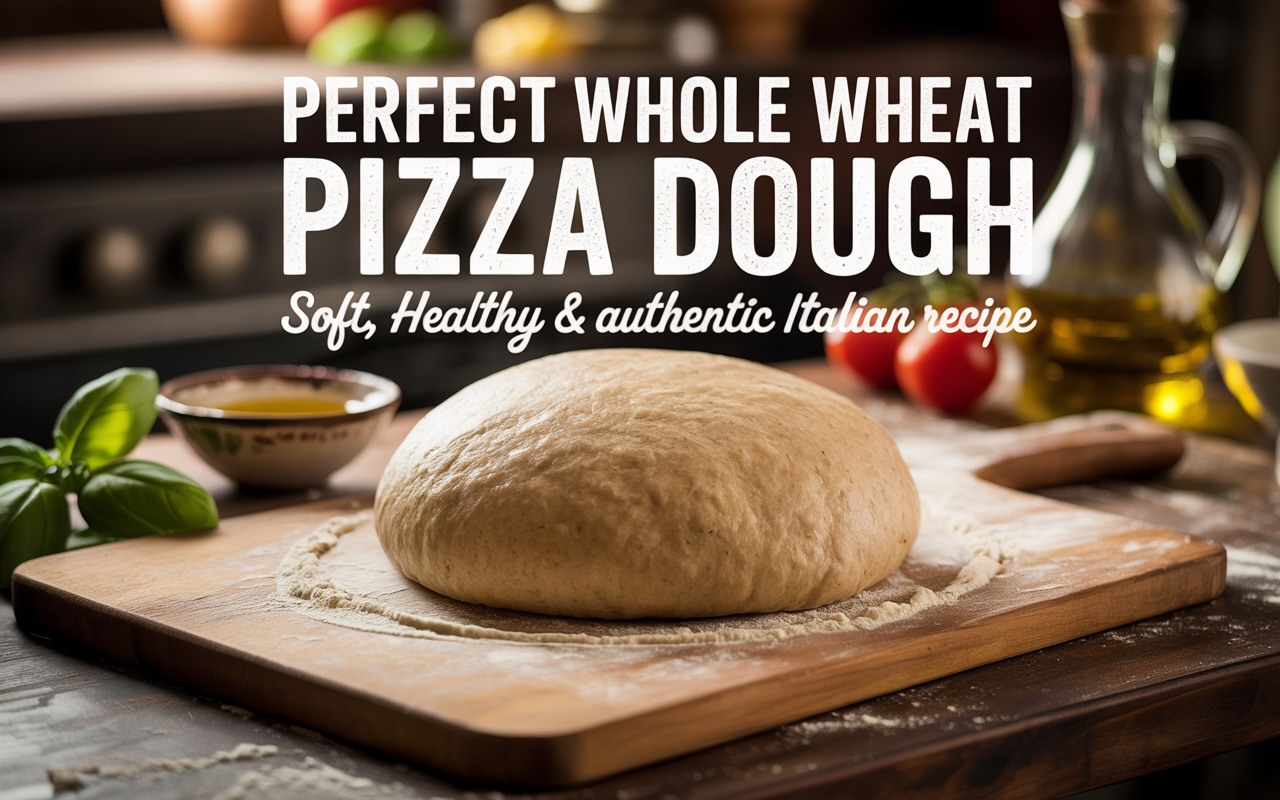
Place the dough in a lightly oiled bowl and cover it with a damp kitchen towel or plastic wrap. Let it rise in a warm, draft-free area for 1 ½ to 2 hours, or until it doubles in size.
For the best flavor, try the cold fermentation method:
- Refrigerate the dough for 18–24 hours.
- The slow fermentation deepens flavor and improves texture.
Step 5: Divide and Shape
Once your dough has risen, punch it down gently to release excess air. Divide it into two equal portions for medium pizzas.
Shape each portion into a smooth ball by tucking the edges underneath. Cover and let rest for 20 minutes before stretching — this relaxes the gluten so it won’t spring back.
Step 6: Stretch the Dough
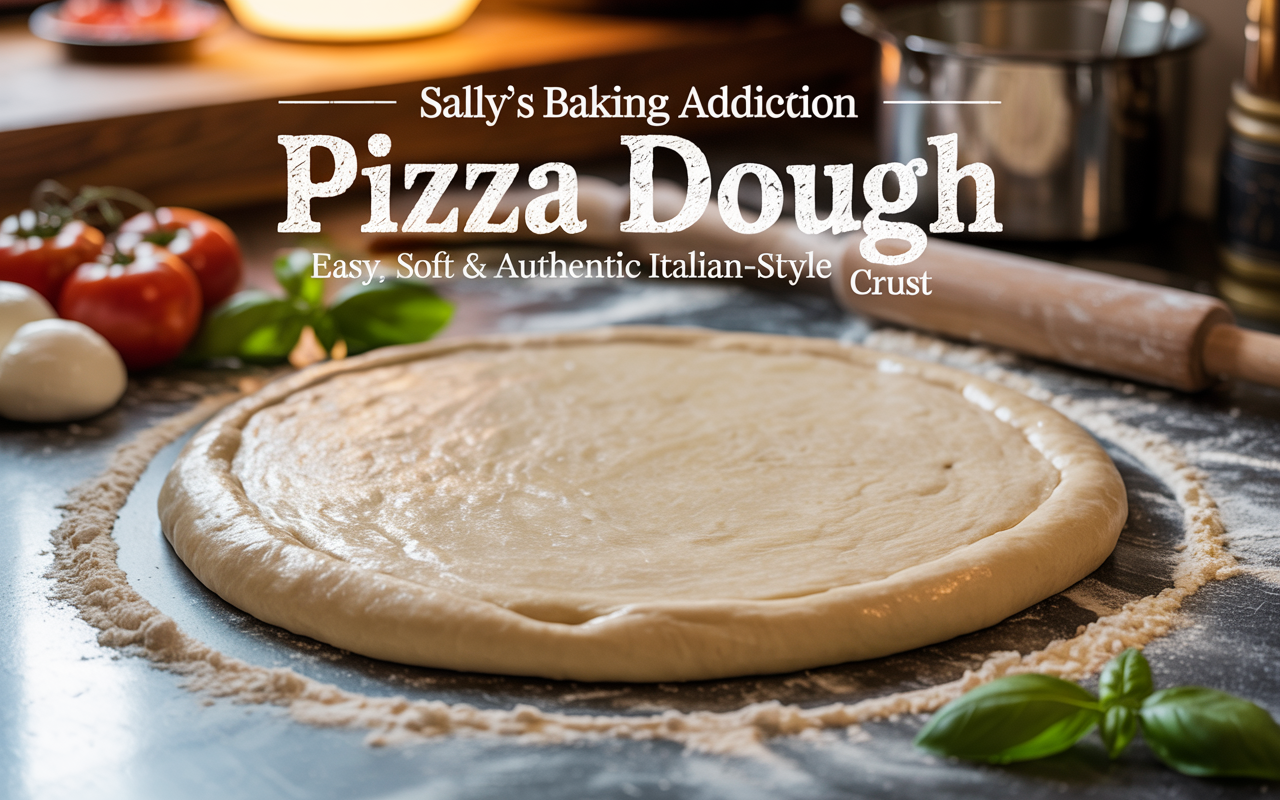
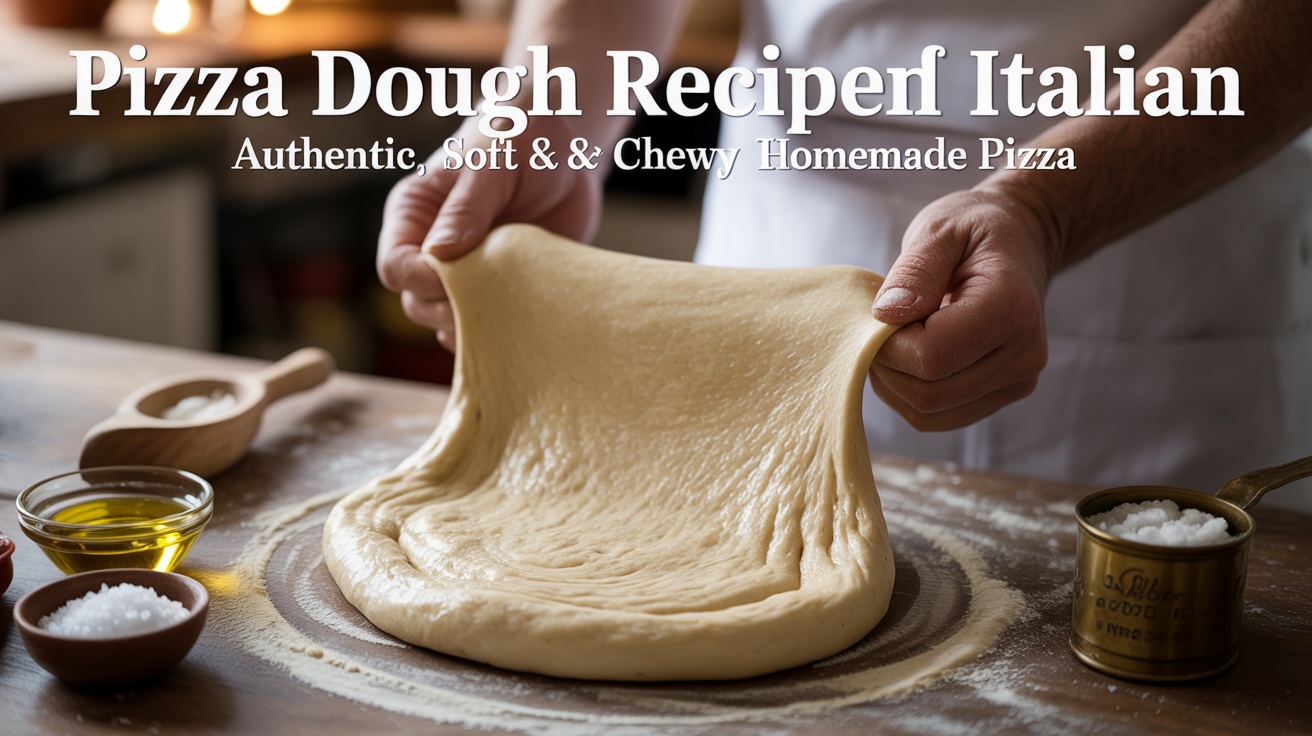
Italian pizza is never rolled with a pin — it’s stretched by hand. Place one dough ball on a floured surface and use your fingertips to gently press out from the center, leaving a slightly thicker edge for the crust.
Lift the dough and let gravity help you stretch it. You’re aiming for a thin, even center and a pillowy border.
Step 7: Top and Bake
Preheat your oven to its highest setting (around 475–500°F / 250°C). If you have a pizza stone, preheat it for at least 30 minutes.
Place your stretched dough on parchment paper or a peel dusted with semolina. Add your favorite sauce, cheese, and toppings.
Bake for 10–12 minutes, or until the crust is golden and blistered, and the cheese is bubbling.
For an authentic wood-fired flavor, use a pizza steel or outdoor pizza oven if possible.
Tips & Tricks for Perfect Italian Pizza Dough
- Use cold water for slow fermentation: Slows down yeast activity for better texture and taste.
- Less is more with toppings: Let your crust shine. A few fresh, high-quality toppings are all you need.
- Don’t skip the rest time: After kneading and before shaping, let the dough relax for that supple stretch.
- Always preheat the oven fully: Italian pizzas bake best in high heat.
- Try a long ferment: Refrigerate dough for up to 48 hours for deep, complex flavor.
- Experiment with hydration: A slightly wetter dough gives lighter crust and those beautiful air bubbles.
Common Mistakes to Avoid
- Adding too much flour: Makes dough tough and dry.
- Cold yeast water: Yeast won’t activate properly.
- Skipping fermentation: Flavorless dough.
- Rolling with a pin: Compresses air pockets and ruins texture.
- Underbaking: Pale crust lacks crunch and flavor.
My Favorite Way to Serve Italian Pizza
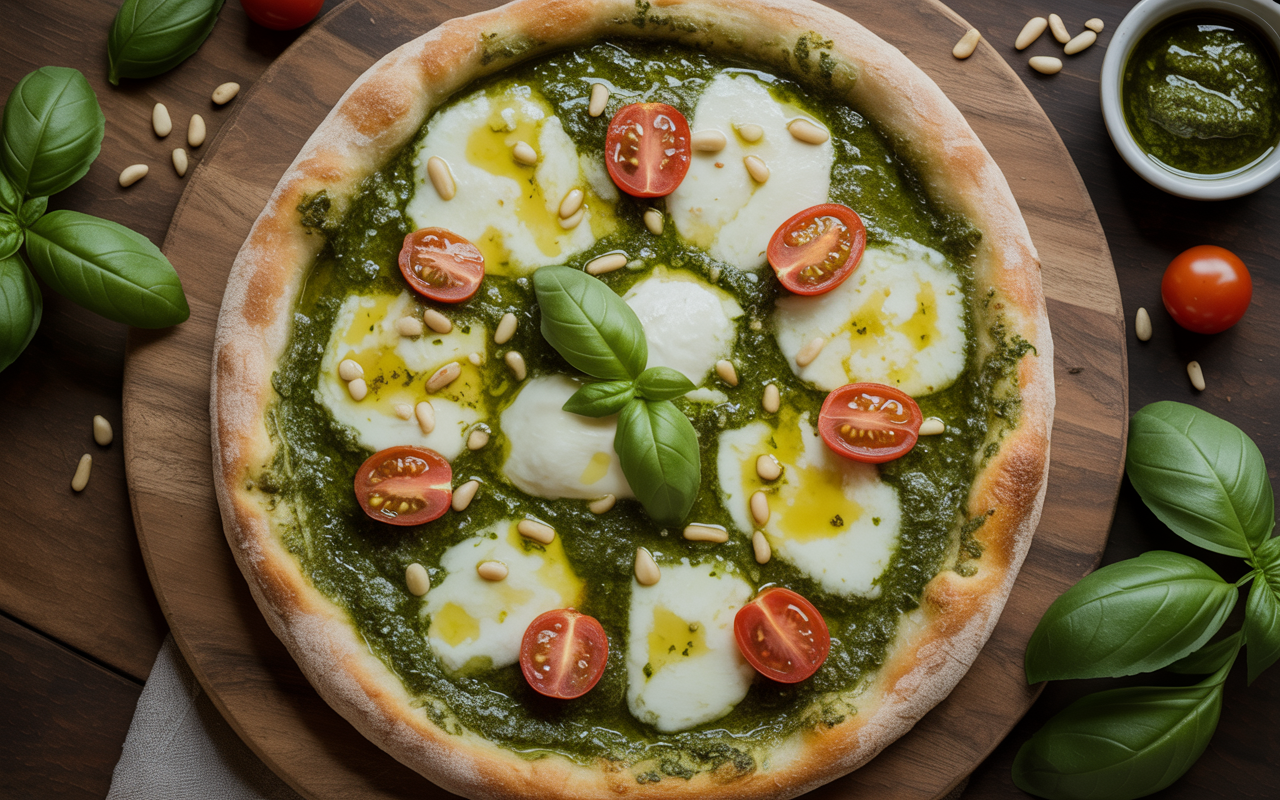
When I make pizza at home, I keep it classic. A light brush of tomato sauce made from San Marzano tomatoes, a drizzle of olive oil, fresh mozzarella, and a few basil leaves — the perfect Margherita.
If I’m feeling creative, I’ll do a white pizza (pizza bianca) with ricotta, garlic, and rosemary or a prosciutto and arugula pizza that feels like something straight out of a Roman café.
The best part of homemade pizza? It brings people together. Everyone can stretch their own dough, pick toppings, and bake their personal pizza masterpieces.
FAQ: Authentic Italian Pizza Dough Recipe
Q1: Can I make Italian pizza dough without Tipo “00” flour?
Yes. Use half bread flour and half all-purpose flour. It won’t be quite as smooth, but it’ll still taste fantastic.
Q2: How long can I store pizza dough?
Refrigerate for up to 3 days, or freeze for up to 2 months. Thaw overnight in the fridge before using.
Q3: Why is my dough not rising?
Your yeast might be inactive, or your water was too hot/cold. Always test yeast before mixing.
Q4: What’s the best hydration level?
For Italian-style dough, aim for 65–70% hydration (around 300ml water to 450g flour).
Q5: Do Italians really use oil in pizza dough?
Traditional Neapolitan dough doesn’t — but some regional styles (like Roman pizza) do. Olive oil adds flavor and crispness.
Bonus: Quick Tomato Sauce for Italian Pizza
While your dough rests, whip up this simple sauce:
- 1 can (400g) of crushed San Marzano tomatoes
- 1 clove garlic, minced
- 1 tbsp olive oil
- Pinch of salt
- A few torn basil leaves
Simmer for 10 minutes. That’s it. Authentic, vibrant, and full of Italian soul.
Final Thoughts: Bringing Italy Home, One Slice at a Time
Making Italian pizza dough from scratch isn’t just about cooking — it’s about slowing down, connecting, and savoring the process.
From the moment you mix flour and water to the moment you pull a blistered pizza from your oven, you’re carrying forward centuries of Italian tradition.
And the best part? Once you master this dough, the possibilities are endless — from crispy Roman-style flatbreads to thick, bubbly Neapolitan pies.
So the next time you’re craving pizza, skip the delivery app. Grab your flour, roll up your sleeves, and make it the Italian way — with love, patience, and passion.
See Also: Pizza Dough Recipe Homemade | Soft, Chewy & Perfectly Golden