Authentic Italian Pizza Dough Recipe – The Art of Perfect Homemade Pizza
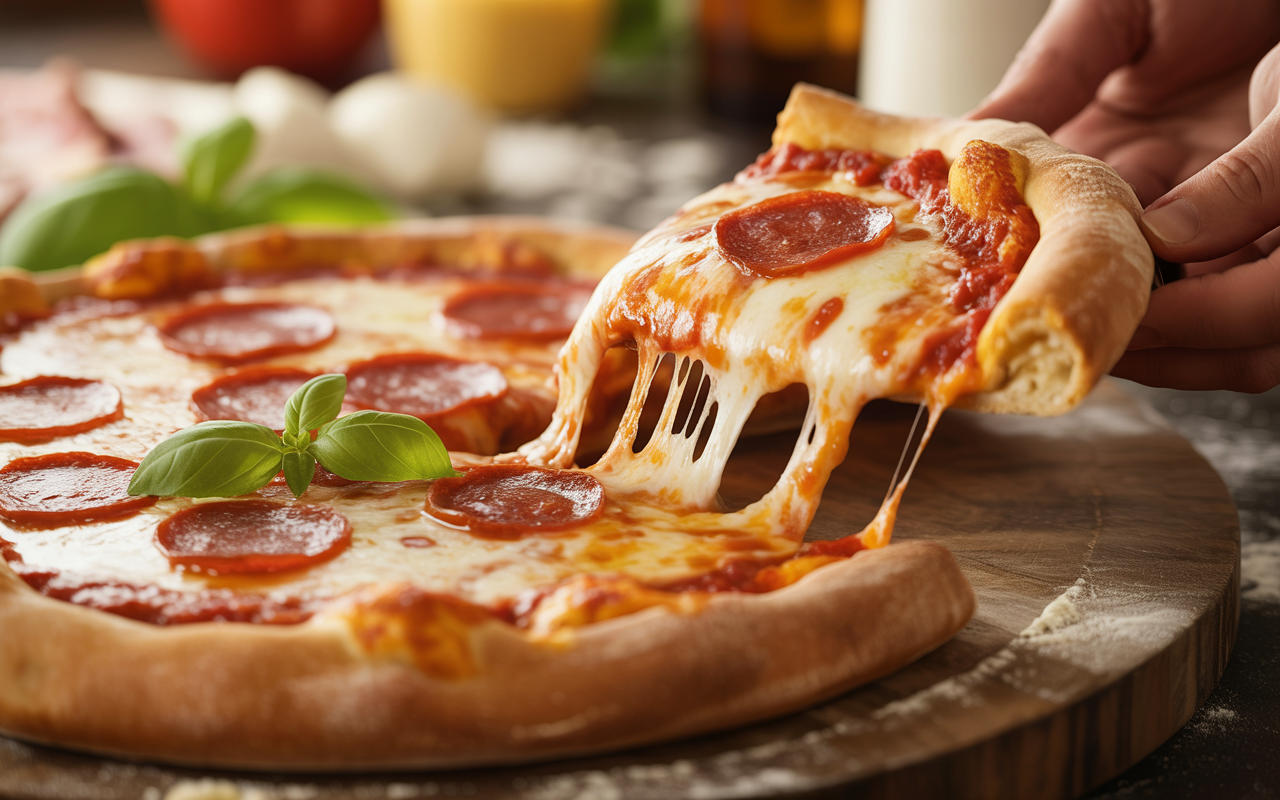
When it comes to pizza, there’s one thing that makes or breaks the experience — the dough. The crust is more than just a base; it’s the foundation of flavor, texture, and authenticity. If you want the real taste of Italy in your kitchen, mastering an authentic Italian pizza dough recipe is the key.
Over years of experimenting in my kitchen, I’ve learned that making perfect pizza dough isn’t about following strict rules — it’s about understanding the balance of ingredients, respecting the dough’s resting time, and using love as much as technique.
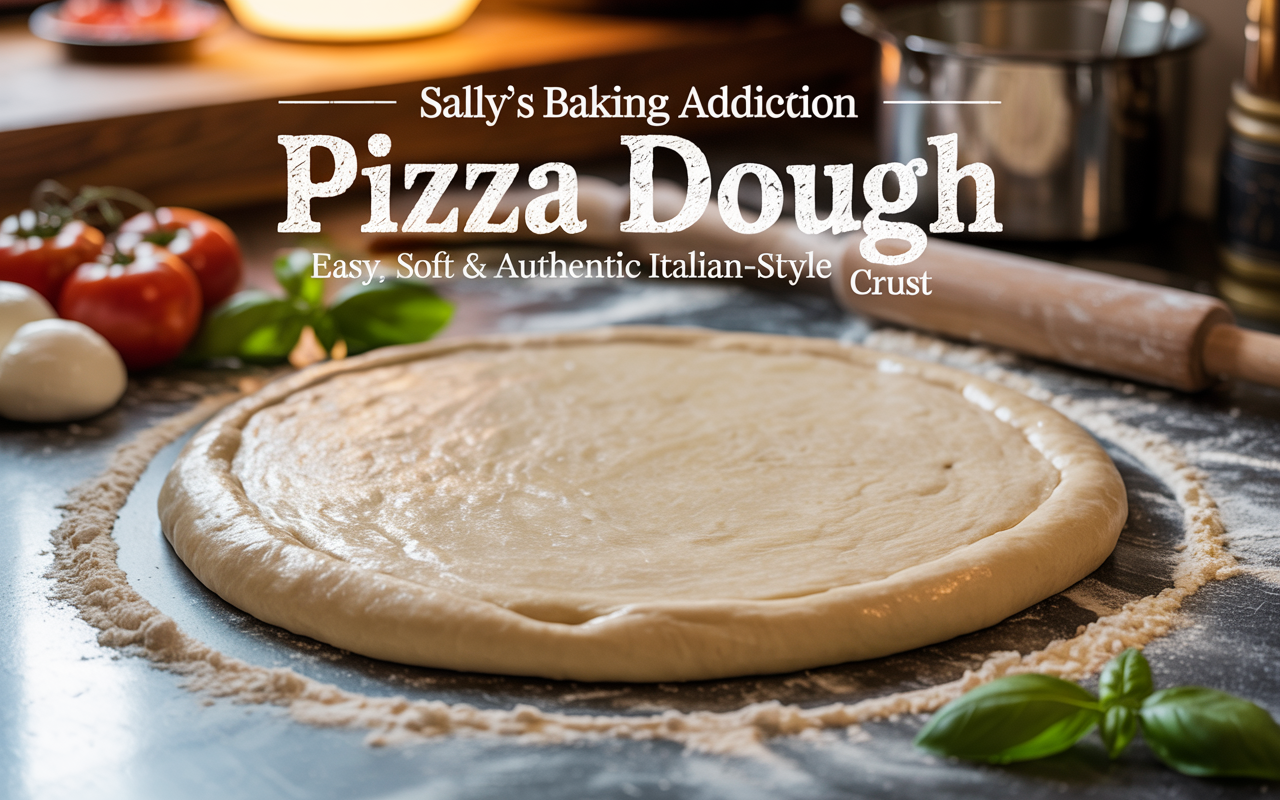
Today, I want to share my personal approach to crafting authentic Italian pizza dough — a method that gives you crisp edges, a chewy heart, and a flavor so genuine it will transport you to Naples with every bite.
Whether you’re planning a margherita night, a loaded veggie pizza, or an anchovy masterpiece, this dough recipe is your canvas.

Why Authentic Italian Pizza Dough Matters
Pizza dough is not just flour and water. In Italy, making dough is an art form — something passed down through generations. The difference between a good pizza and an extraordinary one starts here. Authentic Italian pizza dough is:
- Simple yet precise — only a few ingredients, but the proportions matter.
- Slow-fermented — to develop flavor and texture.
- Flexible — able to be stretched thin without tearing.
- Flavorful — with a subtle depth that complements toppings rather than competing.
That’s why I call it the soul of pizza. Once you master dough, everything else falls into place.

Ingredients for Authentic Italian Pizza Dough
Here’s what you need to make pizza dough like an Italian pizzaiolo.
| Ingredient | Measurement |
|---|---|
| “00” flour (Italian type) | 500 g (about 4 cups) |
| Water (room temperature) | 325 ml (1⅓ cups) |
| Fresh yeast (or active dry) | 3 g fresh / 1 tsp active dry |
| Sea salt | 10 g (about 1½ tsp) |
| Extra virgin olive oil | 2 tbsp |
| Sugar | 1 tsp (optional, for yeast boost) |
Pro tip: Using “00” flour gives your dough that delicate, silky texture Italian pizza is famous for. If unavailable, bread flour works well too.

Step-by-Step Instructions for Authentic Italian Pizza Dough
1. Activate the yeast
If you use active dry yeast, dissolve it in a small portion of the water with the sugar. Let it rest for 5–10 minutes until foamy. Fresh yeast can be crumbled directly into the flour, mixed with water later.
2. Mix flour and salt
In a large bowl, combine flour and salt. Stir well to distribute the salt evenly — salt strengthens gluten and controls yeast fermentation.
3. Add water gradually
Make a well in the center of the flour and pour in the yeast mixture and the rest of the water slowly. Mix with your hand or a spoon until a shaggy dough forms.
4. Knead the dough
Transfer to a lightly floured surface. Knead for 10–12 minutes until smooth and elastic. This develops gluten — the backbone of your dough’s structure. If you have a stand mixer, use a dough hook on medium speed for 8 minutes.
5. First rise
Place the dough in a lightly oiled bowl, cover with a damp cloth, and let rise in a warm place for 2 hours or until doubled in size. For extra flavor, allow dough to rise slowly in the fridge for 24 hours. This slow fermentation develops deep, complex flavors.
6. Portion and shape
Punch down the dough gently to release air bubbles. Divide into portions (250–300 g for individual pizzas). Shape each portion into a tight ball, cover, and let rest for 30 minutes.
7. Stretching the dough
On a floured surface, gently stretch each ball into a round base. Avoid rolling pins — hand-stretching preserves air bubbles and texture.
8. Ready for toppings
Now your dough is ready for sauce, cheese, and whatever toppings your heart desires.
Tips & Tricks for Perfect Authentic Italian Pizza Dough
- Hydration matters — The amount of water affects texture. Adjust slightly if your flour absorbs differently.
- Slow fermentation is gold — Let dough rise overnight for depth of flavor.
- Don’t over-knead — Overworking dough can make it tough.
- Room temperature dough stretches better — Let it rest before shaping.
- Use a pizza stone — It creates a crispy bottom like a wood-fired oven.
Frequently Asked Questions
1. Can I make pizza dough without yeast?
Yes, there are yeast-free alternatives, but the flavor and texture will differ from authentic Italian dough. Baking powder or soda-based recipes are faster but less chewy.
2. How do I store pizza dough?
Wrap it tightly in plastic wrap and refrigerate for up to 3 days or freeze for up to 3 months. Thaw in the fridge before use.
3. Can I make pizza dough in advance?
Absolutely! Many pizzaiolos prefer making dough a day ahead for better flavor through slow fermentation.
4. What’s the difference between Neapolitan and Roman pizza dough?
Neapolitan dough uses “00” flour, high hydration, and shorter cooking times at high heat for a tender crust. Roman dough is usually thinner, crisper, and often uses less hydration.
5. Do I need a pizza stone?
Not essential, but it makes a huge difference in achieving a crisp crust. Preheat the stone for the best results.
Authentic Italian Pizza Dough Variations
- Neapolitan Style – Soft, pillowy crust with a slightly charred edge.
- Roman Style – Thin and crisp, perfect for larger pizzas.
- Sicilian Style – Thicker, spongier base, often square-shaped.
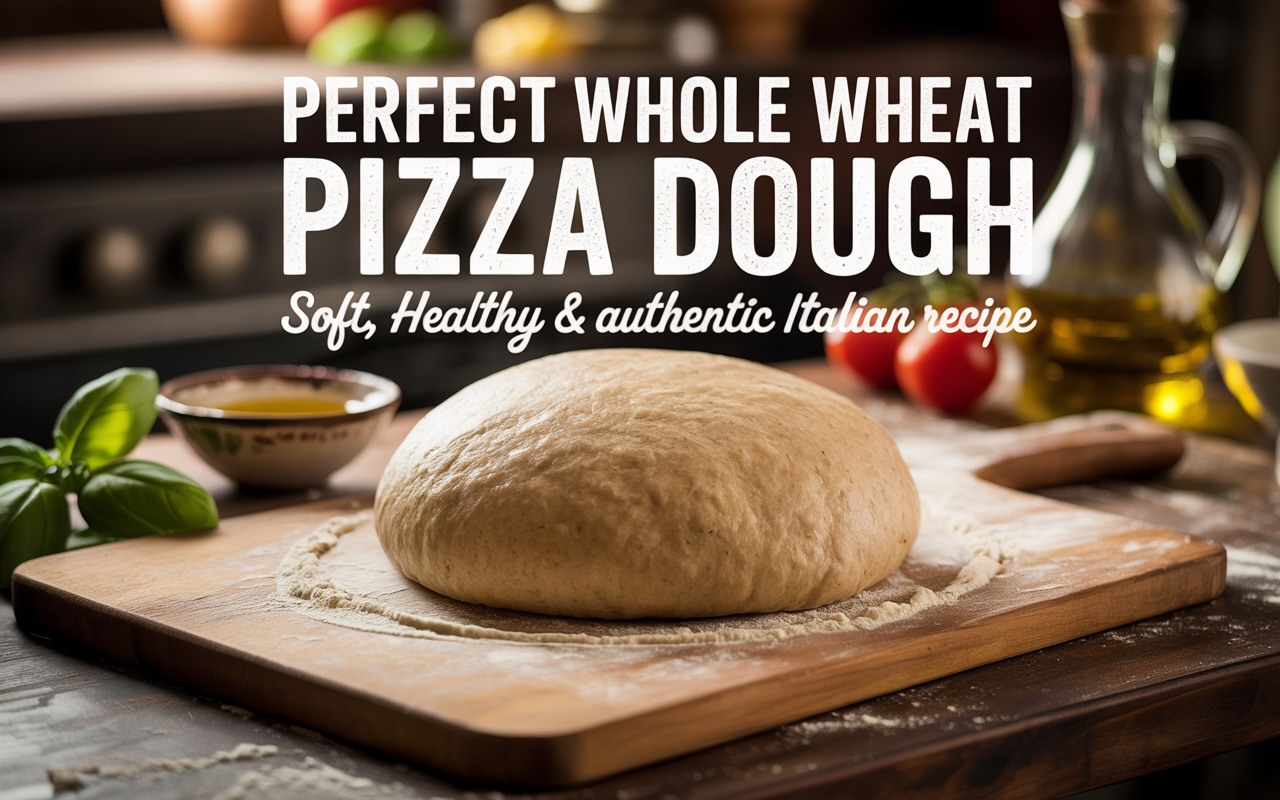
- Whole Wheat Italian Dough – Adds nutty flavor and extra fiber.
Pairing Your Pizza Dough
An authentic Italian pizza dough recipe is a blank canvas. Pair it with:
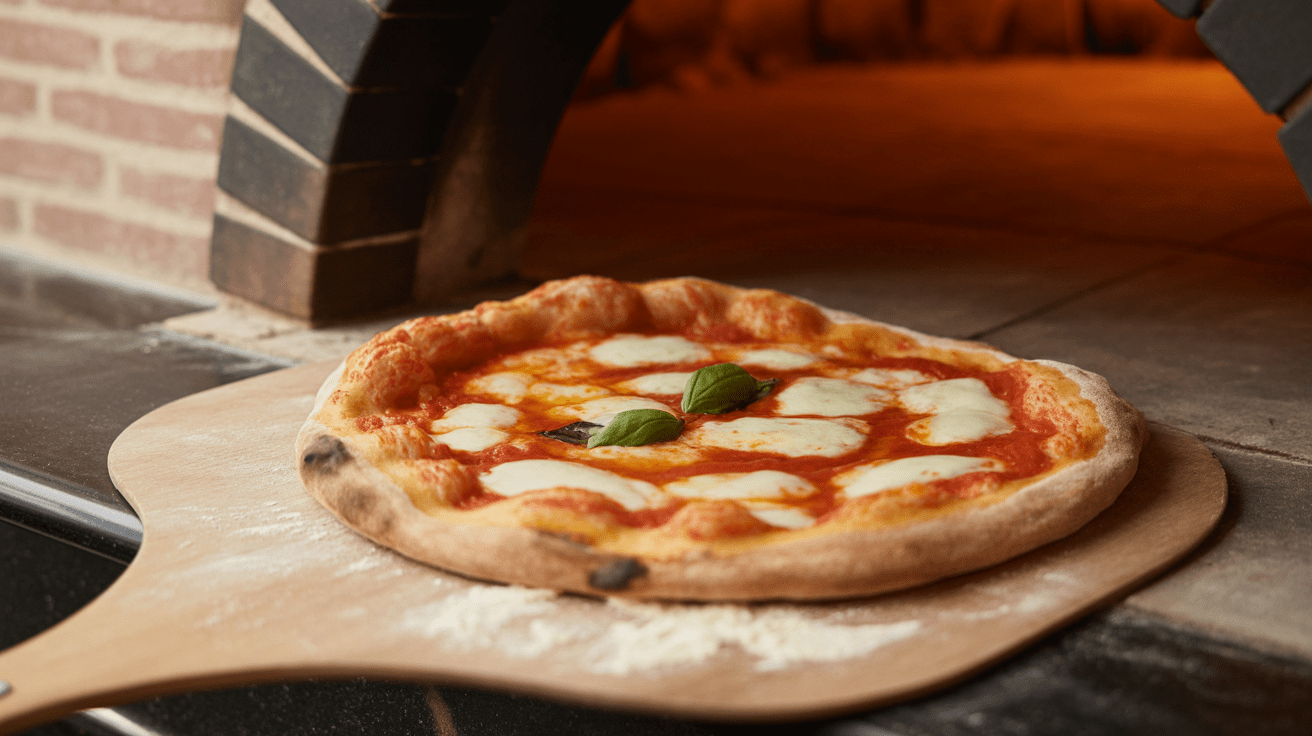
- Margherita Pizza — San Marzano tomatoes, fresh mozzarella, basil.
- Anchovy Pizza — Anchovies, capers, olives, fresh oregano.
- Vegetable Pizza — Seasonal roasted vegetables, mozzarella, tomato sauce.
- White Pizza — Ricotta, garlic, mozzarella, olive oil.
Why Homemade Dough Beats Store-Bought
Sure, store-bought dough is convenient. But homemade dough gives you:
- Control over ingredients — no preservatives.
- Better texture and flavor — fresher, airier, more flavorful.
- Customization — adjust hydration, thickness, and fermentation to your taste.
- Pride of craftsmanship — nothing beats pulling fresh pizza from your own oven.
My Personal Secrets to Perfect Pizza Dough
Over years of practice, I’ve found a few key habits that elevate dough from good to extraordinary:
- Use high-quality flour and sea salt.
- Don’t rush the fermentation process.
- Keep dough covered to prevent drying.
- Let dough rest — patience is essential.
- Stretch by hand — it keeps the crust airy and light.
Final Thoughts – Mastering Pizza at Home
Making authentic Italian pizza dough is more than a recipe — it’s an experience. It’s about slow fermentation, mindful kneading, and respecting the ingredients. Each time you make it, you connect with centuries of Italian tradition.
Whether you’re feeding family on a Friday night or hosting a gourmet pizza evening, this authentic Italian pizza dough recipe will give you the perfect foundation. With a little practice, you’ll find the perfect balance of chewiness, crispness, and flavor that makes pizza magical.
So grab your flour, warm water, yeast, and olive oil — and let’s bring a little bit of Italy into your kitchen.
See Also: Zucchini Pizza Recipe – Fresh, Authentic Italian-Style Pizza